I first met Alex Zanardi on a shuttle bus in California in 2000. We, along with a group of other media people, racing drivers and race team staffers, were on our way to a Honda media event during a pre-season showcase of what was then the CART (Championship Auto Racing Teams, a precursor to IndyCar) series. At the time, the CART series was at the peak of its popularity. Zanardi had already won the CART championship twice, moved on to Formula 1 and was back in the American open-wheel racing series looking to try again with a new team.
I hadn’t planned to interview him and we’d never met before. But, since I ended sitting next to him on the ride and knew his reputation for being a funny, charismatic guy, I took the chance to throw a few questions his way.
In our short conversation he lived up to that reputation. He answered all my questions, went off on a few tangents and took a couple of good-natured jabs at some of his competitors.
It was about a year after that return to racing Indycars when he was involved in the horrific crash at a race in Germany in which he lost both legs and very nearly died.
Seemingly because he just couldn’t slow down, Zanardi eventually got behind the wheel again, driving race cars that had been modified with hand controls. And he became a hugely successful competitive Paralympian cyclist–winning four gold medals and two silver medals at the 2012 and 2016 Paralympic games, in the process becoming one of Italy’s most successful Paralympian athletes and a national hero.
Then, yet another accident halted all that. He was struck by a truck while on his hand bike during a training run in 2020. His family asked for privacy and kept largely silent about his condition while it was reported he responded well to multiple surgeries but was in the midst of a long period of rehabilitation.
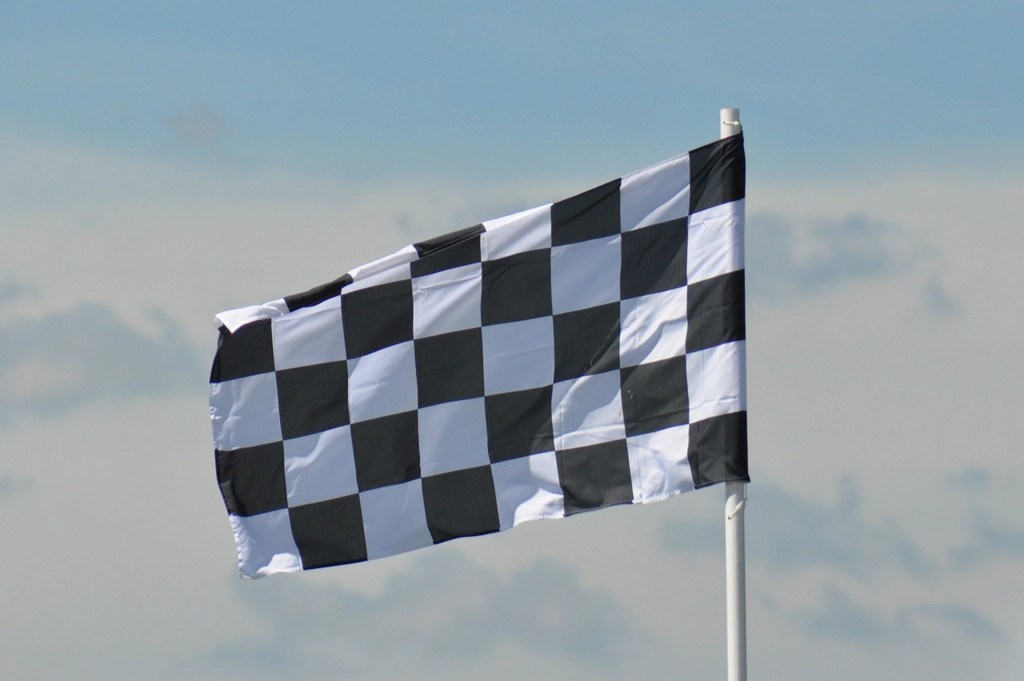
But what I remember the most about him took place about a year or so after that crash in Germany. He came to the Toronto Indy to wave the green flag to start the race, remarkable in itself given what he’d been through. I remember watching from the bleachers along the pit straightaway as he approached the flag stand, using crutches to aid with his prosthetics. He paused to wave to the crowd. We all assumed he’d wave the flag from track level because it would be too hard for him to climb the ladder up to the flag stand.
We were wrong.
He got to the stand, handed off his crutches and climbed, hand over hand, up the ladder. It took a beat or two before the crowd realized what he was doing. Many of us looked at each other as if to say “is he really doing that?” The cheering got louder as he grasped each rung and then we were all on our feet applauding as he reached the top.
That was my first thought when I found out he had died, at the age of 59. He was a relentless competitor and a case study in resilience.
His family announced his death on May 1.

